

Zara
27 • Karachi, Pakistan
Discover how American men can meet Pakistani women for marriage through legitimate international dating platforms. Learn about Pakistani family values, Islamic traditions, and communication tips for successful cross-cultural relationships.
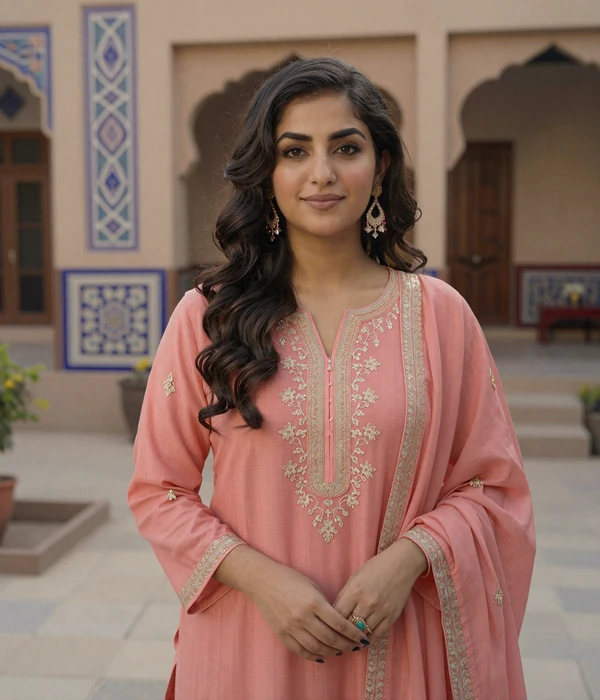
Pakistani mail order brides are Pakistani women who register on international dating platforms seeking marriage with foreign men, particularly from the United States and other Western countries. The term "mail order bride" is a historical reference that has evolved to describe women using legitimate international marriage agencies and dating sites to find life partners abroad.
According to international marriage statistics, Pakistan is an emerging source country for women seeking cross-cultural marriages, though it represents a smaller portion compared to the Philippines, Vietnam, or China which collectively accounted for 76% of Asian brides as of 2002. Pakistani women who join international dating platforms are typically motivated by a combination of factors including desire for better economic opportunities, cultural curiosity, and genuine interest in Western values such as gender equality and educational advancement.
It's important to understand that Pakistani mail order brides are not commodities being purchased, but rather independent women making their own decisions about marriage and relocation. Most are well-educated, come from urban middle-class backgrounds in cities like Karachi, Lahore, and Islamabad, and speak English fluently due to Pakistan's colonial British history.
Pakistani women join international dating sites for several interconnected reasons rooted in both cultural and economic factors. Many educated Pakistani women face limited professional opportunities domestically and are attracted to countries with stronger economies and gender equality protections. According to the World Bank (2024), Pakistan's female labor force participation rate stands at approximately 22%, one of the lowest in South Asia, creating motivation for women seeking greater independence.
Cultural factors also play a significant role. Traditional arranged marriages remain common in Pakistan, and some women prefer the autonomy of choosing their own partners through international dating platforms. Additionally, conservative social restrictions in certain regions of Pakistan motivate women seeking more progressive lifestyles available in Western countries.
Religious considerations matter as well. While most Pakistani women are Muslim and seek partners who respect their faith, interfaith marriages do occur when men demonstrate genuine understanding and appreciation for Islamic values. Many American men researching Pakistani brides show willingness to learn about Islamic customs and participate respectfully in religious traditions.
Finding legitimate platforms that connect American men with Pakistani women requires careful research. The following five international dating sites have established reputations, verified profiles, and comprehensive safety measures. Each platform serves the broader Asian dating market while including Pakistani women in their user base.
Premium Asian dating platform with verified profiles, advanced search filters for Pakistani women, instant messaging with translation, and video chat features for building genuine connections.
Specialized Asian matchmaking service featuring Pakistani singles, comprehensive profile verification, cultural compatibility matching, and relationship coaching for cross-cultural couples.
South Asian focused dating platform connecting Western men with Pakistani women, offering translation services, gift delivery, and arranged meeting assistance for serious relationships.
International marriage agency with Pakistani bride profiles, video introductions, background verification services, and guided communication tools for building trust and understanding.
Established Asian dating site since 2015, featuring Pakistani women profiles, advanced personality matching algorithms, mobile app for constant connection, and romance tour packages.
Important Note: These platforms are international dating sites that include Pakistani women among their broader Asian membership base. Always verify that profiles are authentic, use platform safety features, and follow IMBRA regulations when pursuing serious relationships that may lead to K-1 visa applications.
Browse profiles of verified Pakistani women who have joined international dating platforms looking for serious relationships with American men. These profiles represent real women interested in cross-cultural marriage, shared values, and building families abroad.
27 • Karachi, Pakistan

25 • Lahore, Pakistan

29 • Islamabad, Pakistan
26 • Faisalabad, Pakistan
All profiles are for illustrative purposes. Visit dating platforms to browse real verified profiles of Pakistani women seeking marriage with American men.
Dating Pakistani women as an American man involves navigating distinct cultural expectations and relationship dynamics shaped by Pakistani traditions, Islamic values, and family-centered social structures. Understanding these differences helps build respectful, successful cross-cultural relationships.
Pakistani culture places family at the absolute center of social life. Family approval is not just preferred but often considered essential for serious relationships. Most Pakistani women maintain extremely close relationships with parents, siblings, and extended family throughout their lives. According to cultural research on South Asian societies, multi-generational households remain common, with approximately 60% of Pakistani families living in joint family structures as of 2023.
When dating a Pakistani woman, expect that family opinions will significantly influence relationship decisions. This doesn't mean she lacks independence, but rather that family harmony and respect for elders are deeply ingrained values. Many Pakistani women will introduce potential partners to family members relatively early in the relationship, and gaining parental approval often becomes a crucial milestone.
Pakistani women, whether religious or secular, typically maintain modest behavior in public settings due to cultural norms. Physical affection in public is generally avoided, and many couples maintain conservative boundaries even in private until marriage. This reserve should not be interpreted as disinterest but rather as adherence to deeply rooted social expectations.
Most Pakistani women dress modestly, though styles vary significantly between urban and rural areas, and between liberal and conservative families. Women in major cities like Karachi and Lahore may wear Western clothing mixed with traditional outfits, while maintaining modesty standards that differ from typical American dress codes.
Pakistani women joining international dating sites typically come from educated, urban middle-class backgrounds. Pakistan has made significant strides in female education over recent decades, with literacy rates for young women in urban areas exceeding 75% according to UNESCO (2024). Many Pakistani women hold university degrees and pursue careers in fields like medicine, education, technology, and business.
However, professional opportunities for women in Pakistan remain limited compared to Western countries. Many educated Pakistani women seek foreign partners partly because they desire environments where they can fully utilize their education and pursue career advancement without facing the gender-based barriers common in Pakistan's job market.
Casual dating culture as understood in America doesn't traditionally exist in Pakistani society. When Pakistani women join international dating platforms, they are almost exclusively seeking serious, marriage-oriented relationships. Dating for fun or without marriage intentions is generally not culturally acceptable.
This serious approach to relationships can be refreshing for American men tired of ambiguous "situationships" or casual dating. Pakistani women typically communicate clear expectations about relationship progression, family involvement, and marriage timelines relatively early in the courtship process.
Many Pakistani women are skilled cooks, trained by mothers and grandmothers in traditional Pakistani and Mughlai cuisines. Food plays a central role in Pakistani hospitality and family bonding. Women often express care and affection through elaborate home-cooked meals featuring dishes like biryani, karahi, nihari, and various bread varieties.
This emphasis on homemaking doesn't necessarily mean Pakistani women expect only domestic roles. Many successfully balance careers with maintaining homes, viewing cooking and hospitality as cultural expressions rather than gender obligations. American men should appreciate these skills without assuming traditional gender roles are the only acceptable arrangement.
Islam is the official religion of Pakistan, with approximately 96% of the population identifying as Muslim (approximately 85-90% Sunni and 10-15% Shia according to 2024 estimates). Religion profoundly influences Pakistani culture, social norms, family structures, and relationship expectations. American men pursuing relationships with Pakistani women must understand and respect Islamic principles and traditions.
Traditional Islamic teachings discourage casual dating and emphasize marriage as the proper framework for romantic relationships. Many Pakistani women, even those open to marrying non-Muslims, expect courtship to follow relatively conservative guidelines including limited physical contact before marriage, family involvement in relationship decisions, and clear marriage intentions.
Islam permits Muslim women to marry Muslim men, but traditionally prohibits Muslim women from marrying non-Muslim men unless the man converts to Islam. However, interpretations vary, and some modern Pakistani families take more flexible approaches, especially in diaspora communities or liberal urban contexts. This remains a sensitive topic that requires honest discussion early in any serious relationship.
For American men considering conversion to Islam to marry Pakistani women, this decision should be made based on genuine spiritual conviction rather than solely to satisfy marriage requirements. Insincere conversions are discouraged in Islamic teachings and can lead to family distrust and marital difficulties.
Most Pakistani women practice Islam to varying degrees. Observance levels range from highly devout women who pray five times daily, fast during Ramadan, wear hijab, and avoid alcohol, to more secular women who identify culturally as Muslim but practice less strictly.
During Ramadan (the Islamic holy month of fasting), practicing Muslims abstain from food, drink, and intimate relations from dawn to sunset. American men married to or dating Pakistani women should respect and support this religious obligation, perhaps by fasting alongside their partner in solidarity or at minimum avoiding eating in front of them during daylight hours.
Many Pakistani families gather for iftar (the meal breaking the daily fast) during Ramadan, creating opportunities for American partners to participate in important family and religious traditions.
Pakistani weddings are elaborate, multi-day celebrations incorporating Islamic religious ceremonies and regional cultural traditions. Typical wedding events include:
When American men marry Pakistani women, families may adapt traditions to accommodate international logistics and interfaith considerations. Some couples hold ceremonies both in Pakistan and the United States to honor both families.
Traditional Pakistani culture maintains more defined gender roles compared to contemporary American norms. Men are typically expected to be primary providers and protectors, while women traditionally manage households and child-rearing, though this is evolving in urban areas.
Many educated Pakistani women seeking foreign husbands desire more egalitarian partnerships than traditional Pakistani marriages might offer. However, they may still value certain traditional elements like chivalry, male financial responsibility, and respect for family hierarchy. Open communication about expectations regarding household duties, financial management, career priorities, and child-rearing approaches is essential.
Islam prescribes specific dietary laws known as halal. Observant Muslims avoid pork and alcohol entirely, and consume only halal-slaughtered meat. Pakistani cuisine traditionally excludes pork, and many Pakistani families don't keep alcohol in their homes.
American men married to Pakistani women should respect these dietary restrictions, which may mean keeping halal households, avoiding pork products, and limiting alcohol consumption. Many major US cities have halal grocery stores and restaurants, making it increasingly practical to maintain halal diets in America.
Effective communication forms the foundation of successful cross-cultural relationships between American men and Pakistani women. Language proficiency, cultural communication styles, and understanding of Pakistani social norms all contribute to building strong connections.
One significant advantage of dating Pakistani women is that English is widely spoken in Pakistan as a legacy of British colonial rule. English serves as the official language for government, higher education, and business in Pakistan. According to the British Council (2023), approximately 49% of Pakistanis have some English proficiency, with much higher rates among educated urban populations.
Pakistani women joining international dating sites almost universally speak English, often fluently. This dramatically reduces language barriers compared to dating women from non-English-speaking Asian countries like China, Thailand, or Vietnam. American men can generally communicate directly without translation services, though regional accents and idioms may occasionally cause minor misunderstandings.
While English proficiency eliminates major language barriers, learning basic Urdu phrases demonstrates respect, cultural interest, and serious relationship intentions. Urdu is Pakistan's national language, spoken by approximately 75% of the population. Common useful phrases include:
Pakistani families greatly appreciate foreign partners who make efforts to learn Urdu, viewing it as evidence of genuine commitment and respect for Pakistani culture.
Pakistani communication tends to be more indirect and context-dependent than typical American directness. This reflects broader South Asian cultural patterns emphasizing harmony, face-saving, and relationship preservation over blunt honesty.
Pakistani women may hesitate to directly refuse requests, express disagreement openly, or state negative opinions about family members, instead using subtle cues, body language, and indirect phrasing. American men should learn to read between the lines, pay attention to non-verbal communication, and ask clarifying questions gently when unsure about meaning or intentions.
Conversely, American directness may initially seem rude or aggressive to Pakistani women accustomed to softer communication approaches. American men should moderate communication styles when discussing sensitive topics like religion, family conflicts, or relationship concerns, framing feedback constructively and respectfully.
Traditional Pakistani norms emphasize modesty in communication between unmarried men and women. Topics like sexuality, physical intimacy, and body-related subjects are generally avoided or discussed very discreetly until marriage or engagement.
In early stages of online dating, Pakistani women may prefer keeping conversations focused on interests, values, family, education, and future plans rather than overtly romantic or physical topics. As relationships progress and trust develops, communication naturally becomes more personal, but the pace may be slower than American men expect from domestic dating experiences.
Most relationships between American men and Pakistani women begin online and progress through extensive virtual communication before in-person meetings. Video calling platforms like WhatsApp, Skype, and Zoom play crucial roles in building connections.
Regular video calls help verify authenticity (reducing scam risks), build emotional intimacy despite distance, and allow families to participate in courtship processes. Many Pakistani families expect to "meet" foreign suitors via video call before blessing relationships. American men should approach these virtual family introductions with appropriate seriousness and respect.
Certain topics require careful handling when communicating with Pakistani women due to religious, cultural, or political sensitivities:
Focus conversation on positive topics like future plans, shared values, cultural exchange, travel dreams, and personal growth. Express genuine curiosity about Pakistani culture, cuisine, history, and traditions.
American men pursuing relationships with Pakistani mail order brides must understand important safety precautions and legal requirements. These protections benefit both parties and ensure relationships develop legitimately within appropriate legal frameworks.
Romance scams targeting American men on international dating platforms remain a persistent problem. According to the Federal Trade Commission (2023), Americans lost over $1.3 billion to romance scams in 2022, with international dating scenarios representing a significant portion of reported cases.
Common warning signs of Pakistani romance scams include:
Legitimate Pakistani women seeking genuine relationships will never request money from men they haven't met. Use verified dating platforms with anti-scam protections, verify profile authenticity through video calls, and never send money or financial information to online contacts.
The International Marriage Broker Regulation Act (IMBRA), signed into law January 6, 2006, establishes requirements for American men using international marriage brokers or filing K-1 fiancée visa petitions. According to IMBRA regulations, American petitioners must:
IMBRA exists to protect foreign women from potential abusers and ensure they receive complete, accurate information about American partners before marriage. A 2007 federal court ruling found IMBRA constitutional, noting that "rates of domestic violence against immigrant women are much higher than the US population" and that these protections serve compelling government interests.
American men should familiarize themselves with IMBRA requirements early in serious relationships. Full compliance is legally required and demonstrates good faith to Pakistani partners and their families. For detailed information, visit our IMBRA Disclosure page.
American citizens who wish to marry Pakistani fiancées and bring them to the United States typically use the K-1 fiancée visa process. This involves:
Total costs for K-1 visa process typically range from $2,000-$3,500 including USCIS fees, medical exams, translations, and travel expenses. Processing times vary but generally take 12-18 months from initial petition to visa issuance.
American men planning to visit Pakistan to meet Pakistani women in person should be aware of travel safety considerations. The US State Department maintains travel advisories for Pakistan, with certain regions designated as high-risk due to terrorism and civil unrest.
However, major cities like Karachi, Lahore, and Islamabad where most international dating occurs are generally safe for visitors following standard precautions. Recommendations include:
Many couples choose to meet in neutral third-party countries like the UAE or Malaysia for initial in-person dates, allowing face-to-face connection in more comfortable, tourist-friendly environments before visiting Pakistan for family introductions.
While most couples marry in the United States via K-1 visa process, some choose to marry in Pakistan first, then pursue spouse visa (CR-1/IR-1) rather than fiancée visa. Legal requirements for foreign men marrying in Pakistan include:
Legal and religious requirements for international marriages in Pakistan are complex. Couples considering this route should consult with immigration attorneys and understand implications for subsequent US visa processes.
Pakistani mail order brides represent educated, family-oriented women seeking serious relationships and marriage opportunities with American men through legitimate international dating platforms. While Pakistani women constitute a smaller portion of the Asian mail order bride market compared to countries like the Philippines or Vietnam (which together with China accounted for 76% of Asian brides as of 2002), they offer unique advantages for American men seeking culturally rich, value-driven partnerships.
The primary motivations for Pakistani women joining international dating sites include limited professional opportunities in Pakistan (with female labor force participation at approximately 22% according to the World Bank 2024), desire for gender equality, cultural curiosity, and preference for choosing their own partners rather than arranged marriages. These women typically come from urban middle-class backgrounds in cities like Karachi, Lahore, and Islamabad, possess university educations, and speak English fluently due to Pakistan's colonial British legacy.
Understanding Pakistani culture is essential for successful relationships. Family approval holds paramount importance, with approximately 60% of Pakistani families living in multi-generational joint households. Islam shapes social norms, relationship expectations, and daily life, with 96% of Pakistanis identifying as Muslim. American men must respect religious practices including prayer schedules, Ramadan fasting, modest behavior, and halal dietary restrictions. Traditional gender roles remain more defined than in contemporary America, though many educated Pakistani women seek more egalitarian partnerships available in Western marriages.
Communication benefits significantly from Pakistan's English proficiency, with approximately 49% of Pakistanis speaking English (British Council 2023), with much higher rates among educated women on dating platforms. However, cultural communication styles differ, with Pakistani communication tending toward indirectness and context-dependence compared to American directness. Learning basic Urdu phrases demonstrates respect and serious intentions, greatly appreciated by Pakistani families.
Legal and safety considerations require careful attention. IMBRA regulations, enacted January 6, 2006, mandate criminal background disclosures, marital history transparency, and sex offender registry checks for American men pursuing K-1 fiancée visas, with a lifetime limit of two petitions. These protections address higher rates of domestic violence against immigrant women. The K-1 visa process typically takes 12-18 months and costs $2,000-$3,500, requiring marriage within 90 days of arrival in the United States.
Romance scams remain a persistent threat, with Americans losing over $1.3 billion to romance fraud in 2022 according to the FTC. American men should use verified dating platforms, never send money to online contacts, verify profile authenticity through video calls, and watch for warning signs like requests for financial assistance or reluctance to video chat.
Meeting Pakistani mail order brides requires using reputable international dating platforms like SakuraDate, NaomiDate, ShantiDate, MagnoliaDate, and AsiaFlame, which offer verified profiles, translation services, and safety features. Success requires cultural sensitivity, respect for Islamic values and family traditions, patience with conservative courtship timelines, and genuine commitment to serious, marriage-oriented relationships.
For American men seeking loyal, family-oriented, educated partners who value traditional relationship structures while embracing opportunities for personal and professional growth, Pakistani mail order brides represent compelling options. These cross-cultural marriages offer rich cultural exchange, strong family bonds, and partnerships built on shared values of commitment, respect, and mutual support.
Disclaimer: sv388s.us is an informational website that reviews international dating platforms. We are not a marriage broker or dating agency. We earn affiliate commissions from links to dating sites. We do not guarantee meetings, relationships, or marriage outcomes. All relationship decisions are made by individual users. This content is for informational purposes only and does not constitute legal advice. Consult immigration attorneys for specific visa guidance and comply with all IMBRA requirements.