
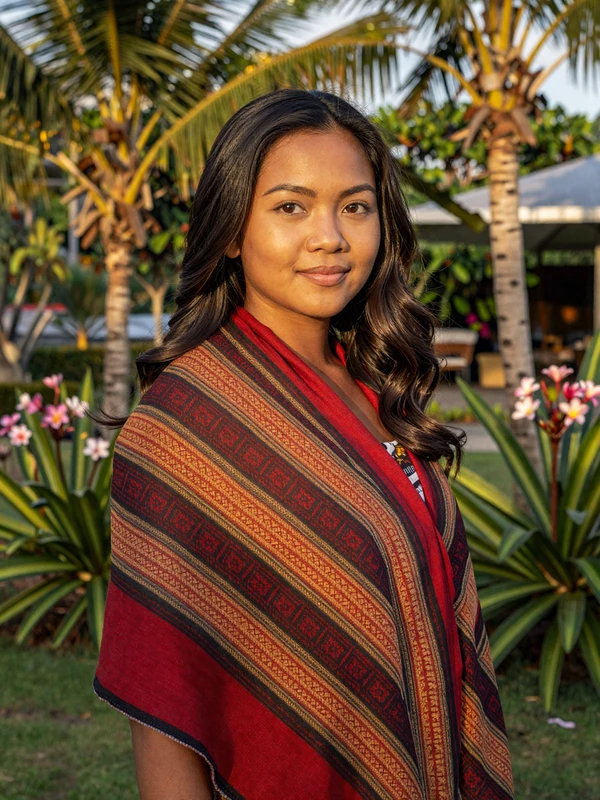
What Are Timorese Mail Order Brides?
Timorese mail order brides are women from East Timor (Timor-Leste) who use international dating platforms to connect with foreign men, primarily from the United States, Australia, and Portugal, for serious relationships and marriage. East Timor, Southeast Asia's youngest nation (independent since 2002), has a population where approximately 97% identify as Catholic according to the 2015 census, making it one of only two predominantly Catholic countries in Asia alongside the Philippines.
The term "mail order bride" is outdated terminology from historical matchmaking practices. Today's Timorese women use modern international dating sites featuring verified profiles, video chat, instant messaging, and translation services. These platforms allow Timorese women to meet Western men who appreciate their strong family values, religious devotion, and resilient character shaped by East Timor's recent independence struggle.
While East Timor remains one of Asia's least developed nations, with a GDP per capita of approximately $1,560 USD (World Bank, 2023), economic factors are not the sole motivation for Timorese women seeking foreign partners. Many are educated, employed, and seek cross-cultural relationships with men who share their Catholic faith, value family, and offer partnership based on mutual respect and shared life goals.
Top 5 Dating Sites to Meet Timorese Women
SakuraDate
Premier Asian dating platform with verified Timorese profiles, video chat, instant messaging, and gift delivery to East Timor for serious relationships.
NaomiDate
Specialized Southeast Asian dating site featuring Timorese women profiles with advanced search filters, real-time translation, and relationship coaching services.
ShantiDate
Comprehensive Asian matchmaking platform connecting Western men with Timorese women through verified profiles, video dates, and romance tours.
MagnoliaDate
User-friendly dating service for meeting Timorese singles with personality matching algorithm, private photo sharing, and mobile app convenience.
AsiaFlame
Established international dating site with Timorese women profiles, CamShare video calls, virtual gifts, and multilingual customer support for cross-border romance.
Overview of Timorese Women and Family Life
Timorese women are characterized by resilience, strong family bonds, and deep Catholic faith. Having lived through decades of occupation and a hard-won independence struggle, Timorese women possess remarkable inner strength combined with warmth, gentleness, and devotion to loved ones. In East Timor's extended family structure, multiple generations often live together, and women play central roles as caregivers, household managers, and family connectors.
Family life in East Timor revolves around community and shared responsibility. Women are raised with strong domestic skills-cooking traditional Timorese cuisine (featuring rice, corn, cassava, and seafood), weaving tais (traditional textiles), and maintaining household harmony. According to the Timor-Leste Demographic and Health Survey (2016), the average Timorese woman has 5.7 children, reflecting the culture's emphasis on large families and children as blessings.
Education and employment are evolving for Timorese women. While literacy rates for women aged 15-24 reached 79% according to UNICEF (2018), older generations had limited educational opportunities during occupation years. Today, more Timorese women pursue secondary and tertiary education, work in government, education, and small businesses, and balance careers with family responsibilities. Women who seek foreign partners often come from urban areas like Dili, have education and language skills, and desire relationships offering greater gender equality than traditional Timorese marriages.
Physical Appearance and Personal Style
Timorese women typically have warm brown to golden-brown skin tones, dark brown or black hair (usually long and straight or wavy), dark brown eyes, and Southeast Asian facial features blending Malay, Melanesian, and Portuguese ancestry influences. Heights range from 5'0" to 5'4" (152-163 cm) on average, with petite to medium builds. Many Timorese women maintain natural beauty with minimal makeup, favoring simple, modest styles.
Traditional dress includes the tais, an intricately woven textile worn as a sarong or shawl, featuring geometric patterns in red, black, gold, and white that signify regional identity. For daily wear, Timorese women typically dress modestly in Western-style clothing-blouses, skirts or pants, and sandals. For church and special occasions, women wear their finest tais, dresses, or formal attire reflecting Catholic propriety and cultural pride.
Personality Traits and Values
Timorese women are known for being gentle, patient, respectful, and deeply loyal. They value harmony, avoid confrontation, and prioritize family welfare above individual desires. Faith is central-most Timorese women attend Mass regularly, pray daily, and view marriage as a sacred, lifelong commitment. Despite hardships, Timorese women maintain optimistic spirits and find joy in simple pleasures: family gatherings, community celebrations, and time with loved ones.
Work ethic is strong-Timorese women are accustomed to hard physical labor, from farming and carrying water to weaving tais and managing households with limited resources. They are resourceful, adaptable, and capable partners who contribute meaningfully to family wellbeing. While traditionally raised with conservative gender roles, younger Timorese women increasingly desire partnerships with shared decision-making and mutual support.
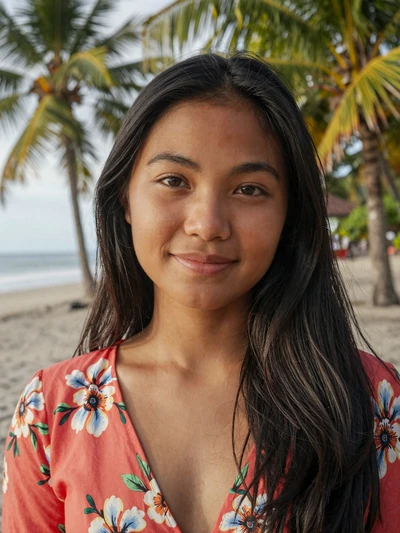
Lucia
23 • Dili, East Timor
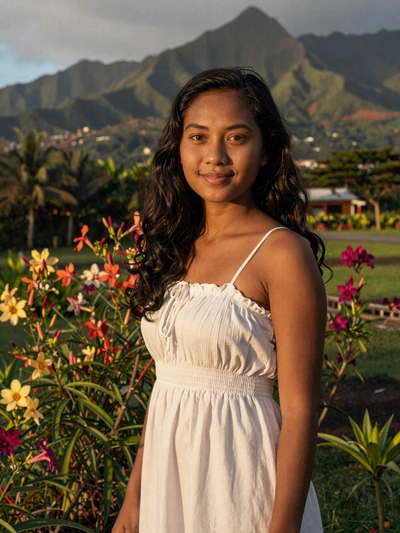
Maria
26 • Baucau, East Timor
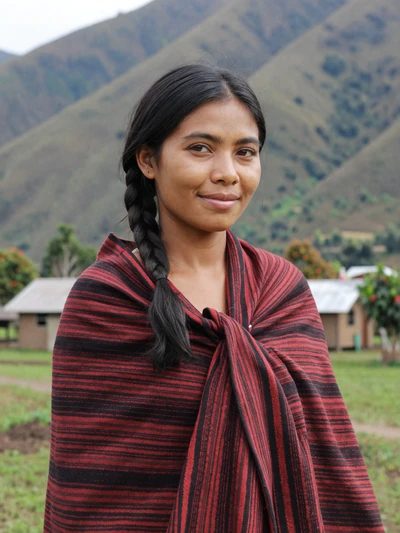
Rosa
25 • Aileu, East Timor

Ana
28 • Dili, East Timor
Culture and Religion in Relationships
Culture and religion are inseparable in Timorese relationships. The Catholic Church, introduced during 450 years of Portuguese colonization and strengthened during Indonesian occupation as a symbol of Timorese identity, shapes courtship, marriage, and family life. According to the 2015 Timor-Leste Census, 97.6% of the population identifies as Roman Catholic, making religious compatibility essential for most Timorese women seeking marriage.
The Role of Catholic Faith
For Timorese women, Catholicism is not merely belief but a lived practice governing daily life. Women attend Mass regularly (often weekly or more), participate in parish activities, observe religious holidays (especially Easter and Christmas), and incorporate prayer into daily routines. Marriage is viewed as a sacrament-a sacred, lifelong covenant blessed by God and the Church. Divorce is rare and culturally stigmatized; fidelity, commitment, and perseverance through difficulties are expected.
Western men seeking Timorese wives should understand that Catholic faith will be central to family life. This includes baptizing children, raising them Catholic, attending church as a family, and observing religious traditions. Men who share Catholic faith or are open to conversion and religious participation will find much greater acceptance from Timorese women and their families. Respect for religious practices, even for non-Catholic partners, is essential.
Traditional Courtship and Marriage Customs
Traditional Timorese courtship involves family oversight, modest interactions, and formal marriage negotiations called barlake-a bride price system where the groom's family provides gifts (traditionally livestock, textiles, and money) to the bride's family. Barlake symbolizes respect, creates bonds between families, and can be substantial (equivalent to several years' income), though practices vary between urban and rural areas.
For international relationships, barlake expectations may be negotiated or modified, especially if families recognize the foreign partner's genuine intentions and financial contributions in other forms. Western men should be prepared for formal meetings with extended family, gaining approval from parents and elders, and demonstrating commitment through respectful engagement with family and community. Elopement or rushed marriages are frowned upon; patience and proper process are valued.
Gender Roles and Family Expectations
Traditional Timorese culture maintains distinct gender roles: men as providers and protectors, women as homemakers and family nurturers. However, economic necessity means many Timorese women work outside the home while still handling most domestic responsibilities. Younger, educated Timorese women seeking foreign partners often desire more egalitarian relationships than traditional Timorese marriages offer, hoping for partners who share household duties, respect their opinions, and support personal development.
Extended family involvement is intense by Western standards. Parents, siblings, aunts, uncles, and cousins expect to be included in major decisions, visit frequently, and may expect financial support from successful relatives. Western men marrying Timorese women should anticipate ongoing family connections, hosting relatives, sending remittances, and navigating family dynamics with patience and cultural sensitivity.
Communication Tips and Expectations
Effective communication is crucial when building relationships with Timorese women, given language differences, cultural gaps, and the long-distance nature of international courtship. Understanding Timorese communication styles, managing language barriers, and setting realistic expectations will help Western men develop genuine connections with potential Timorese partners.
Language Considerations
East Timor has two official languages: Tetum (an Austronesian language spoken by the majority) and Portuguese (colonial legacy). According to the 2015 census, only 2.5% of the population speaks Portuguese as a first language, while Indonesian (used during 24 years of occupation) and English (increasingly taught in schools) serve as working languages. Younger, educated Timorese women, especially in Dili, may have basic to intermediate English skills, while older or rural women may speak little to no English.
Language barriers will be significant in most relationships. International dating platforms offering translation services are essential for initial communication. Western men should be patient with language limitations, use simple English, avoid slang and idioms, and consider learning basic Tetum phrases to show respect and cultural interest. Professional translation for important conversations (discussing marriage, family expectations, visa processes) is advisable. Over time, both partners can improve communication through language learning and immersion.
Communication Style and Cultural Differences
Timorese women communicate indirectly compared to Western directness. They value harmony, avoid confrontation, and may be reluctant to express disagreement or negative feelings openly, especially early in relationships. Silence, agreement, or smiling does not always indicate understanding or consent-Timorese women may defer to male partners or avoid conflict out of respect and cultural conditioning.
Western men should create safe space for honest expression, ask open-ended questions, encourage Timorese partners to share feelings and concerns, and watch for non-verbal cues indicating discomfort or disagreement. Building trust takes time; Timorese women may initially be reserved, testing sincerity and commitment before opening up emotionally. Patience, consistency, and demonstrated respect build the foundation for deeper communication.
Navigating Online Dating Communication
Online communication with Timorese women should be respectful, patient, and focused on building genuine connection rather than rushing toward meetings or marriage. Key tips include:
- Start with friendship: Take time to learn about her life, family, interests, and goals before discussing romance or marriage
- Be clear about intentions: Timorese women seek serious relationships; be honest about marriage goals, timeline, and expectations
- Respect religious values: Avoid sexual content, respect modest communication, and show appreciation for her faith and values
- Ask about her life: Show genuine interest in East Timor, her family, culture, and daily experiences
- Share your life authentically: Be honest about your background, family situation, employment, and lifestyle
- Use video chat: Progress from text to video calls to verify identity, build rapport, and assess compatibility beyond written messages
- Be patient with responses: Internet access may be limited or expensive; don't expect immediate replies
- Discuss expectations early: Talk about family roles, living arrangements, children, career plans, and cultural adaptation before making serious commitments
Understanding Expectations in Relationships
Timorese women seeking foreign partners typically expect serious, committed relationships leading to marriage. Casual dating, living together before marriage, or long-term relationships without marriage plans conflict with Catholic values and cultural norms. Western men should be prepared for expectations including:
- Marriage-focused courtship: Dating is viewed as a pathway to marriage, not an end in itself
- Family approval: Her family's blessing is crucial; expect to meet, communicate with, and gain acceptance from parents and extended family
- Catholic wedding: Religious ceremony in a church is expected, often in East Timor followed by legal registration
- Children and family: Most Timorese women desire children and may expect to start families relatively quickly after marriage
- Financial responsibility: As husband, you'll be expected to provide for the family and possibly support extended relatives in East Timor
- Spousal sponsorship: She expects you to sponsor her immigration (K-1 visa for US, partner visa for Australia, etc.) and help with settlement
- Maintaining cultural ties: She will want to maintain connections with East Timor, communicate with family, send remittances, and possibly visit or host relatives
Travel and Meeting Advice
Meeting your Timorese partner in person is an essential step before making marriage commitments. While online communication builds initial connections, face-to-face meetings allow both partners to assess compatibility, experience each other's cultures, and gain family approval. Traveling to East Timor requires preparation, cultural sensitivity, and realistic expectations about conditions in one of Asia's least developed nations.
Planning Your First Visit to East Timor
Most foreign men will travel to Dili, East Timor's capital and main international gateway. Presidente Nicolau Lobato International Airport receives flights from Darwin (Australia), Bali and Jakarta (Indonesia), and Singapore. According to official tourism data, visa-on-arrival is available for most nationalities (including US, Australian, and EU citizens) for stays up to 30 days, costing $30 USD, with extensions possible.
Best times to visit are during the dry season (May-November) when roads are passable and weather is pleasant. The wet season (December-April) brings heavy rains, flooding, and travel difficulties. Plan at least 7-10 days for a first visit-enough time to spend quality time together, meet family, experience daily life, and explore Dili and surrounding areas together.
Accommodation and Safety
Dili offers hotels ranging from budget guesthouses ($25-40 USD per night) to mid-range hotels ($60-120 USD per night). Stay in reputable accommodations with good reviews, especially for first visits. East Timor is generally safe for tourists, with low crime rates, though petty theft and bag-snatching can occur. Avoid isolated areas at night, keep valuables secure, and be aware of surroundings.
Infrastructure is basic: roads are often rough, electricity can be unreliable, internet is slow, and hot water is not always available. Adjust expectations and embrace the experience as insight into your partner's daily life. Most Timorese people are welcoming to foreigners, especially those in relationships with local women.
Meeting Her Family
Meeting your Timorese partner's family is crucial and should be planned carefully. Bring gifts (chocolates, wine, or practical items from your home country) as tokens of respect. Dress modestly and conservatively-long pants and collared shirts for men. Be prepared for formal introductions, possibly including extended family members and community leaders.
Demonstrate respect through body language (no excessive physical affection with your partner in front of family), accept hospitality graciously (even if accommodations are basic), eat what is offered, and show genuine interest in family members' lives. Expect questions about your intentions, financial situation, career, and plans for their daughter. Honesty and humility go further than boasting or attempting to impress.
If the relationship progresses toward marriage, discuss barlake expectations with her family. While some families recognize that Western partners may not follow traditional practices exactly, showing respect through financial contributions (helping with household improvements, education costs for siblings, or direct bride price) demonstrates commitment and eases acceptance.
Cultural Etiquette and Activities
Respectful behavior in Timorese culture includes modest dress (covering shoulders and knees, especially when visiting churches or villages), removing shoes when entering homes, accepting offers of food and drink, greeting elders first, and using right hand for giving and receiving (left hand is considered unclean). Public displays of affection are minimal-hand-holding may be acceptable in Dili, but kissing and embracing are reserved for private settings.
Activities to do together in East Timor include attending Sunday Mass (important for showing respect for her faith), visiting Cristo Rei statue (iconic Dili landmark), exploring Tais Market (traditional textiles), swimming at Jesus Beach, hiking in the mountains, visiting historical sites related to independence, and sharing meals with her family. These experiences provide insight into her life and create shared memories strengthening your bond.
Subsequent Visits and Relationship Progression
Multiple visits are advisable before making marriage commitments. Each visit allows you to see different aspects of her life, deepen family relationships, and confirm compatibility beyond the initial romance stage. During subsequent visits, you might meet more extended family, participate in community events, and have deeper conversations about marriage logistics, visa processes, and future plans.
If both partners decide to proceed with marriage, you'll need to begin visa processes (K-1 fiancée visa for US, prospective marriage visa for Australia, or other country-specific spouse visas). Gather required documents, meet IMBRA requirements if applicable (for US), and prepare for immigration interviews. Having established relationship history through photos, communication records, and family testimony strengthens visa applications.
Summary: Building Lasting Relationships with Timorese Women
Timorese mail order brides offer Western men the opportunity to build relationships with women who embody resilience, deep faith, strong family values, and genuine devotion to partnership. Shaped by East Timor's struggle for independence and sustained by Catholic tradition, Timorese women are loyal, hardworking, and committed to creating loving, stable families with partners who respect their culture and share their values.
Success in relationships with Timorese women requires patience, cultural sensitivity, and realistic expectations. Western men should invest time in understanding East Timor's history and culture, learning basic Tetum, respecting Catholic faith (or being open to conversion), and building genuine relationships beyond surface attraction. The rewards-devoted partnership, strong family bonds, and the satisfaction of cross-cultural love-make the effort worthwhile for men seeking meaningful, lifelong commitment.
International dating platforms listed on this page provide legitimate pathways to meeting Timorese women, offering verified profiles, communication tools, and safety features essential for cross-border relationships. Combined with personal visits to East Timor, family engagement, and proper visa processes, these platforms help Western men and Timorese women build foundations for successful international marriages.
Disclaimer: sv388s.us is an informational resource reviewing international dating platforms. We are not a marriage broker, dating agency, or immigration service. We do not guarantee relationships, marriages, or visa approvals. All decisions regarding international relationships and immigration are the responsibility of individual users. For US citizens, familiarize yourself with IMBRA requirements before using international marriage broker services.